
Breathe, Connect, Go: Morning Calm for Busy Parents
Today we focus on quick regulation tools for parents during chaotic mornings, delivering small, science-backed resets you can use between mismatched socks and missing lunchboxes. Expect bite-size breathing, grounding, environmental tweaks, and co-regulation moves that restore steadiness fast, protect connection, and get everyone out the door with more ease. Try them, share your wins, and help another caregiver greet sunrise storms with steadier hands and a kinder voice.
The 4-4 Reset Breath
Inhale through your nose for four, pause for one, exhale slowly for four, pause for one, and repeat five cycles while you tie shoes. Counting gives your mind a job, lengthening the exhale nudges your body out of fight-or-flight, and the pauses create tiny islands of choice. Whisper “steady” on the exhale to anchor intention. This quiet ritual takes less time than hunting a sock, yet returns far more presence.
Five-Sense Scan by the Fridge
Touch the cool handle, notice three colors on a magnet, hear the hum, smell the fruit drawer, taste a sip of water. This five-sense sweep drops attention from racing thoughts back into the body. Do it while packing lunches and you will feel the swirl slow noticeably. Kids love joining; ask them to spot sounds or textures. The ritual becomes a playful checkpoint that steadies everyone before the door opens.
Name It to Tame It on the Stairs
Say, “I feel scattered and tense; I want steady and kind,” as you climb. Labeling emotions recruits language centers that soften amygdala alarm, creating space for wiser moves. Add one action you can do next: “One slow breath, then sneakers.” This tiny script models emotional literacy, reduces shame, and keeps momentum alive. Over time, your stairs become a daily ramp from reactivity to intention, one honest sentence at a time.
Back-to-Back Breathing While Shoes Go On
Sit back-to-back on the mat for thirty seconds, feeling each other’s breath like ocean waves. Invite your child to make the exhale extra long, then match it. The gentle pressure provides grounding feedback, and synchrony builds connection without words. Lace one shoe between breaths to keep progress real. Parents report fewer protests and more giggles, plus a faster exit. Ask permission before touch, and let the child lead the pace whenever possible.
Mirror Me, Then Lead
Stand face-to-face and mirror three slow motions—roll shoulders, shake hands softly, stretch tall—then invite your child to lead three of their own. This flips the script from power struggle to partnership, restoring cooperation through playful attunement. When their body settles, slide naturally into backpack checks. Mirroring signals, “I see you,” which reduces defensiveness and opens listening. It is astonishing how thirty seconds of copycat can unlock five minutes of smooth teamwork afterward.

Environmental Tweaks that Lower Morning Friction
Your space can regulate you before you remember to breathe. Light, sound, and layout either fuel hurry or invite steadiness. Create a launch zone, simplify choices, and front-load cues that guide action without nagging. Think baskets, color codes, gentle playlists, and sunlight. These design nudges reduce decision fatigue, prevent scavenger hunts, and dial down noise that spikes stress. Share a photo of your launchpad setup and inspire someone else’s easier start tomorrow.
Cognitive Reframes that Rescue Momentum
From Disaster to Data
Swap “Everything is ruined” for “This is information.” When the milk spills, the delay becomes a clue, not a character flaw. Ask, “What’s one tiny improvement for tomorrow?” Maybe the cups move lower, or lids live with bowls. Curiosity unlocks learning, while blame locks the body into freeze. Repeat the mantra out loud so little ears hear growth in action. Progress compounds when mornings become experiments rather than verdicts.
Time Anchors, Not Timers
Replace buzzing countdowns with gentle anchors tied to routines: “Shoes by the end of the toast song,” or “Backpacks before the sunlight reaches the rug.” Anchors feel collaborative and concrete, reducing pressure while keeping flow. They harness environmental cues instead of adrenaline. If you slip, reset without drama: “New anchor, new try.” Children internalize pacing through repetition and imagery, and adults feel less hunted by the clock. Momentum beats perfection every weekday.
The One-Minute Win
When everything feels behind, pick a sixty-second action that measurably improves the next step: fill water bottles, line up shoes, clear the table corner. Name it aloud and celebrate completion. The brain loves closure, and completion fuels more completion. These tiny victories interrupt helplessness and invite teamwork. Invite your child to choose their own one-minute win, building agency and pride. Tell us which quick win rescued your morning and why it worked.
Body-First Micro-Habits
Before pep talks or checklists, bodies set the tone. Simple physical cues—hydration, posture, temperature, scent—can flip switches faster than willpower can argue. Stack these signals beside existing tasks so they actually happen, then notice how clarity and patience rise. These habits are portable, evidence-informed, and friendly to tired brains. Use them as reliable anchors when chaos spikes. Comment with the one that surprised you most, and we will compile community favorites.
Sip, Stretch, Stand Tall
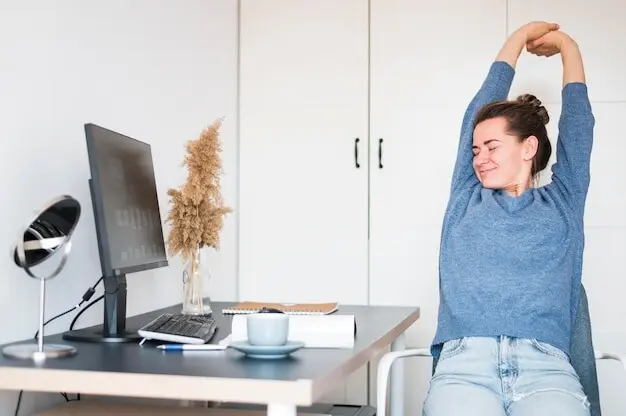
Drink a full glass of water while doing three slow neck rolls and a shoulder spread against the wall. Hydration nudges alertness, stretching melts clenched patterns, and posture opens breath. It takes ninety seconds and changes your voice quality immediately. Keep the glass by the coffee maker as a cue. Model it in front of kids; they mirror your movements and energy. Watch arguments soften when oxygen and circulation rejoin the morning conversation.
Cool Splash, Warm Hands
Rinse your face with cool water to spark alertness, then wrap hands around a warm mug to invite comfort. This temperature contrast calms jangly nerves while signaling a fresh start. If sinks are crowded, use a reusable spray bottle near the door. Pair the ritual with one kind phrase to yourself. Sensations beat spirals when minutes matter. Readers swear this duo shortens grumpiness and restores perspective before backpacks even rustle.
Pocket Scents as Anchors
Carry a small inhaler or scented cloth with a familiar, gentle fragrance like citrus or lavender. One slow inhale during a bottleneck links the scent to steadiness over time, creating a portable calm button. Avoid overpowering blends and check sensitivities. Keep a second anchor for kids to choose. Associative learning is powerful; after a week, the smell alone cues a slower exhale. Tell us which scents your family loves for reliable morning resets.
Plan, Prepare, and Protect the First Ten Minutes

Night-Before Nudges
Lay out outfits, stage the launchpad basket, pre-fill bottles, and tape a two-line checklist at kid height. Each nudge converts future stress into present ease. Set a two-minute tidy timer with music to make it light. Future-you will thank present-you generously. If you miss a step, celebrate what did happen. Consistency grows from small wins, not perfection. Share your simplest nudge so others can borrow it tonight without buying anything new.
First-Ten Script You Can Say Half-Asleep
Choose a reliable opening: “Lights, water, stretch, socks.” Speak it softly, then move with it like choreography. Scripts protect you when words feel heavy and decisions feel slippery. Post it on the fridge for quick reference. Teach kids the chant; they love leading. If interruptions arrive, return to the next line without commentary. This small sequence becomes home base, reducing negotiations and restoring rhythm even when the dog steals a slipper again.
Boundaries that Sound Kind
Prepare one friendly boundary sentence for common derailers: “We can chat about Minecraft after shoes,” or “I read when your hands are brushing.” Pair it with warmth and a clear next step. Kindness plus clarity lowers resistance more than lectures do. Practice the line aloud beforehand so it lands smooth under pressure. Readers, drop your best boundary scripts; we will gather them into a shared resource for gentler weekday departures.
All Rights Reserved.