
Small Moments, Stronger Days
Today we focus on Micro-Resets for Daily Resilience—brief, intentional pauses that recalibrate your nervous system, attention, and energy without derailing your day. Think sixty seconds to breathe, shift posture, or look at the horizon, then return sharper. You will learn practical, science-backed steps, plus real stories and prompts. Try one now, share your experience in the comments, and subscribe for weekly challenges that keep tiny changes delightfully doable.
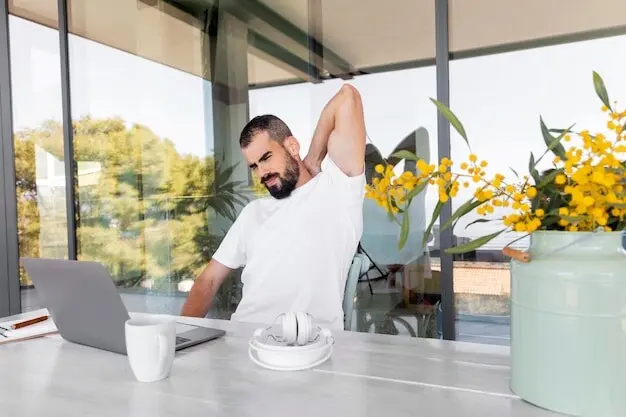
The 90-Second Window
Emotions surge chemically for roughly ninety seconds before thoughts recirculate them. When you feel the heat rise, set a short timer, place one hand on your chest, and breathe evenly until the beep. Name the sensation, not the story. Let the wave crest, fall, and clear space for your next deliberate step.
The Physiological Sigh
Through your nose, take one regular inhale, then a second small top-up sniff; release a long, unforced exhale through the mouth. Repeat one to three times. This pattern offloads carbon dioxide efficiently, slows heart rate, and quiets urgency. Athletes, pilots, and students use it discreetly between efforts to recover clarity.
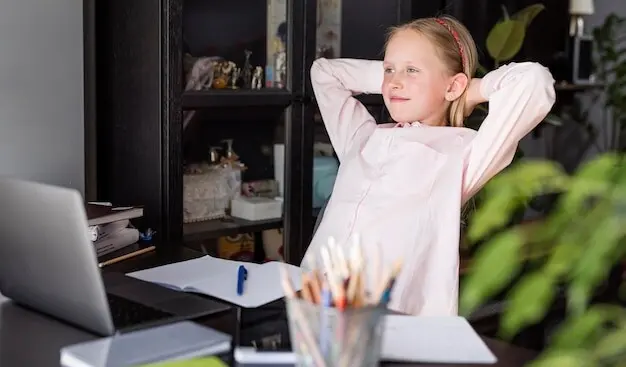
Heart-Rate Variability Boost
Two minutes of slow breathing around six cycles per minute often lifts heart-rate variability, a marker of adaptive calm. Sit upright, eyes soft, count in for four, out for six. If numbers bother you, sway gently with breath. When distractions appear, tag them kindly and return without judgment.
Breath, Body, and Brain in One Minute
Your physiology listens to posture, breathing rhythm, and visual focus more than pep talks. A single coordinated minute can flip your internal switches faster than grinding through fatigue. When an overbooked teacher I coached stood tall, sighed twice, and scanned the horizon from a window, her class felt different before the bell even rang, and she felt steadier without extra coffee.
Posture Switch and Shoulder Blade Set
Push your feet into the floor, lengthen the back of your neck, then gently squeeze shoulder blades down and together for ten seconds before releasing. This resets breathing mechanics, frees the diaphragm, and reduces threat signals. People report instant alertness, as if the room brightened, without needing another stimulant.
Eyes on the Horizon
Look far into the distance, preferably outdoors, letting your peripheral vision widen. This visual expansion recruits neural circuits linked to calm vigilance and decreases narrowed, stress-biased focus. Sixty seconds can soften jaw tension and reintroduce spacious thinking, especially after screen sprints, dense spreadsheets, or emotionally charged messages that hijacked perspective.
Movement Snacks That Change Your Mood
Brief, vigorous bursts and playful mobility patterns raise circulation, lubricate joints, and wake up sleepy attention networks. You do not need a gym; you need intention and thirty to sixty seconds. On dreary afternoons, three short rounds have rescued my writing stamina and mood more reliably than sugar ever did, letting me end the day proud, not wired.

Name It to Tame It
Silently say, This is tightness in my throat, or, Here is heat in my stomach, rather than I am overwhelmed. Location and sensation language signal the prefrontal cortex to engage. Many people feel a small uncoupling from panic within seconds, creating room for wiser choices and kinder self-talk.
Three-Line Journal
Write one sentence about what happened, one sentence about what you feel, and one sentence about what matters next. That concise container slows spiraling narratives and turns attention toward action. Keeping cards or notes app templates ready removes friction so this quick ritual fits into buses, elevators, and hallways.
Environmental Interrupts That Help You Start Fresh
Light as a Lever
Step into daylight for ninety seconds or, if indoors, face a bright window while looking far. Morning exposure anchors circadian rhythm and later supports focus. Even midday, brief brightness reminds your brain it is safe to release melatonin fog and reengage curiosity without needing another caffeinated push.
Cold Splash, Warm Return
Rinse wrists or splash cheeks with cool water, breathe slowly, then wrap hands around a warm mug. The sensory contrast reorients attention and can reduce inflated threat perception. It is discreet in offices and doubles as a hygiene refresh, resetting both comfort and confidence before you open that email.
Soundscapes with Boundaries
Choose a predictable, lyric-free sound for focused work and a different cue for settling, like brown noise versus gentle rain. Keep volume low enough to hear your breath. The distinct pairing trains your brain to switch modes quickly, avoiding endless, indecisive scrolling between tasks that quietly wastes precious energy.
Build a Personal Rotation That Actually Sticks
Consistency comes from tiny prompts, not iron will. Craft a rotating menu for mornings, midday, and evenings, and tie each option to existing moments. Ask a friend or colleague to join for one week. Share your plan below, then return later and report results; your reflections will inspire someone else’s next minute.

All Rights Reserved.